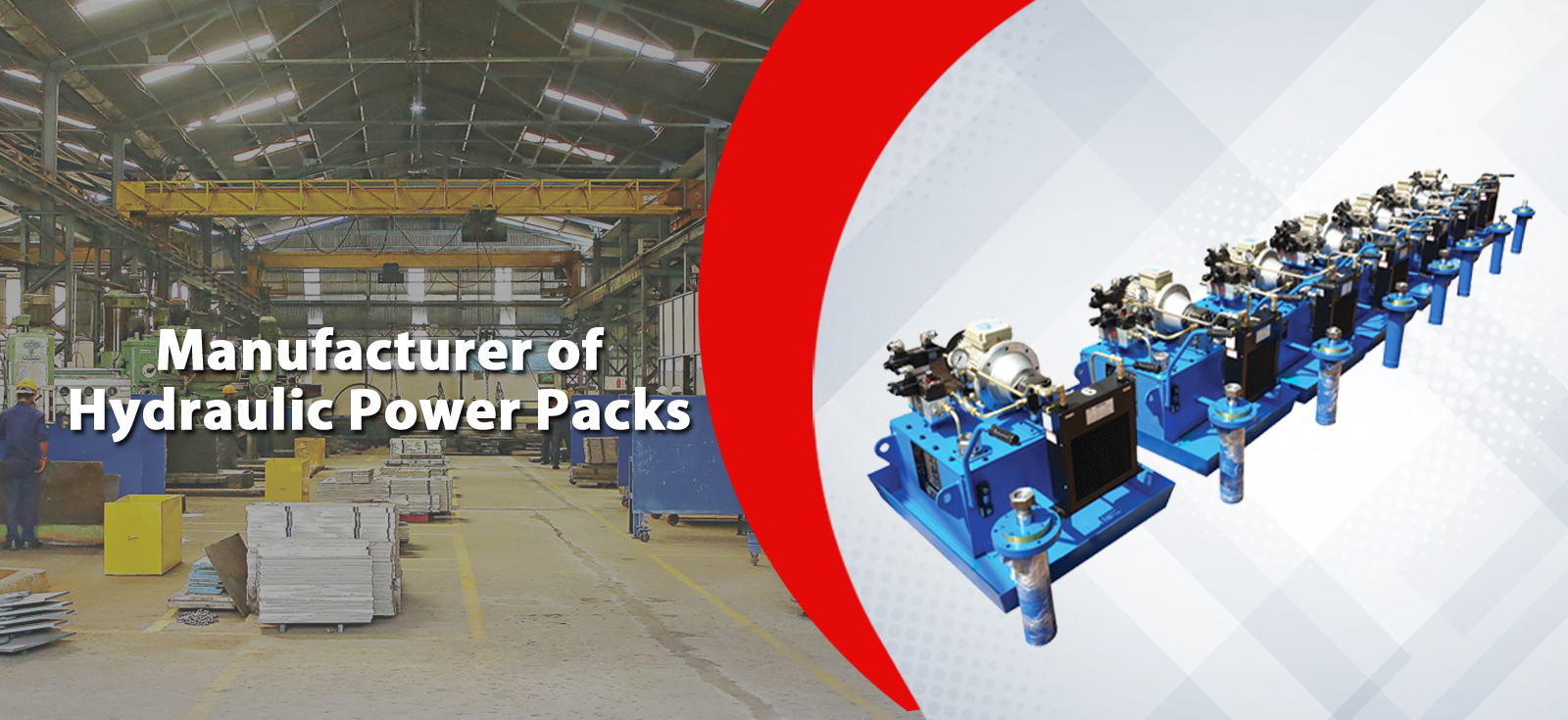
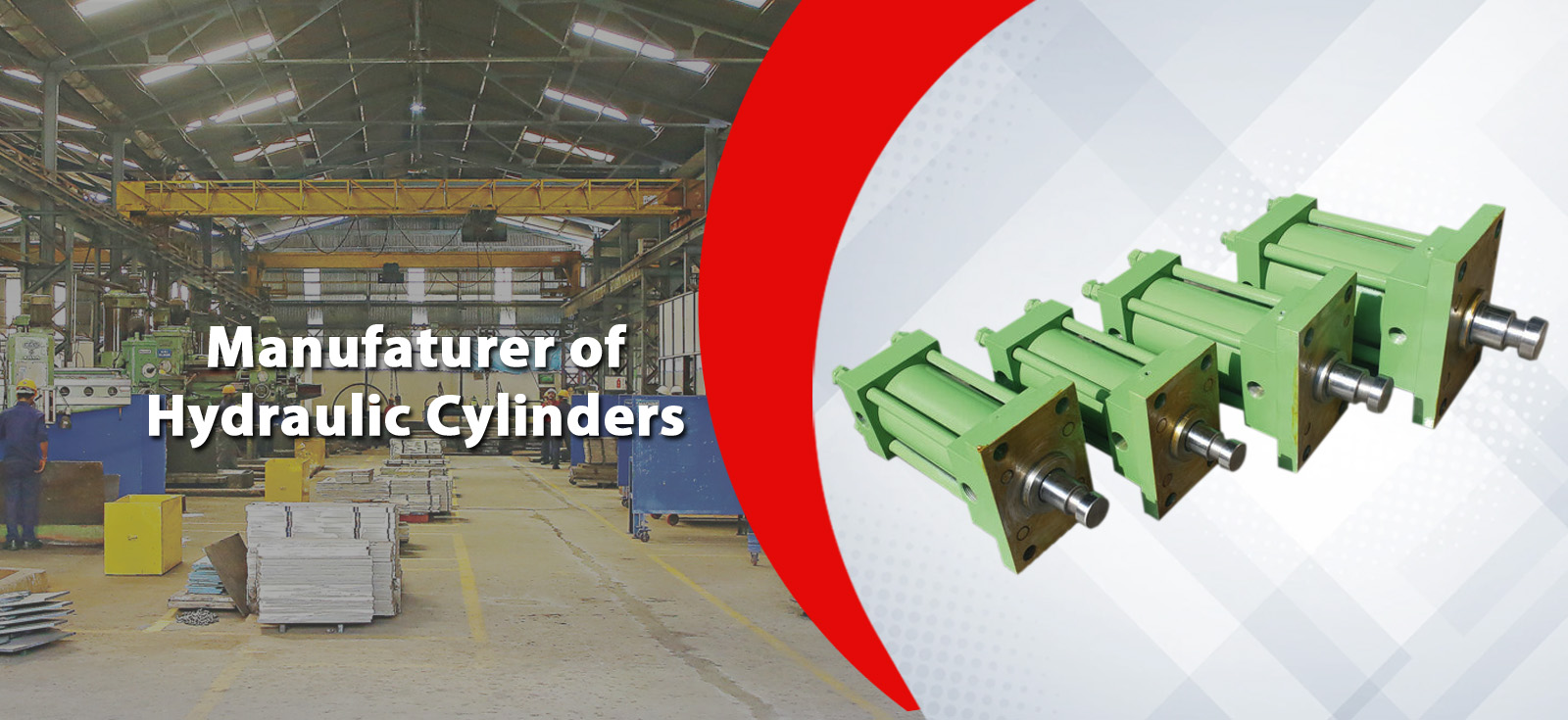
Hydraulic Machine Manufacturer in Pune, Maharashtra
Desire Hydraulics is a leading manufacturer in manufacturing Hydraulic Cylinders, Hydraulic Presses, Die Spotting Presses, FRP Molding Machines, Hydraulic Power Pack, GDC Machines, Dish End Press Machines, Rubber Molding Machine and specialized production machinery from Pune and Maharashtra.
Our Core Hydraulic Products
Purpose-built equipment for industrial applications, with specifications tailored to your requirement.
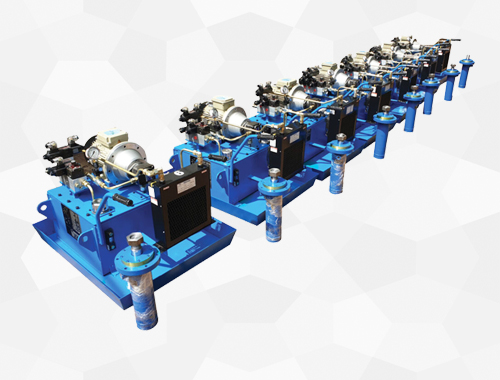
Hydraulic Power Packs
Explore power packs →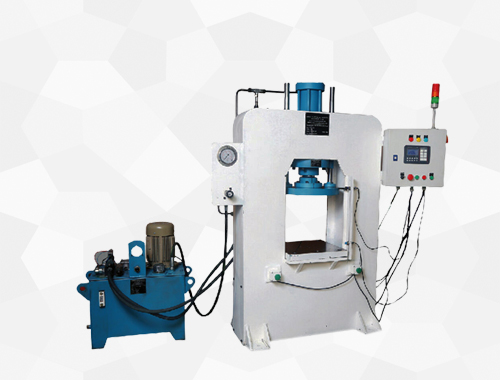
Hydraulic Press Machines
Explore presses →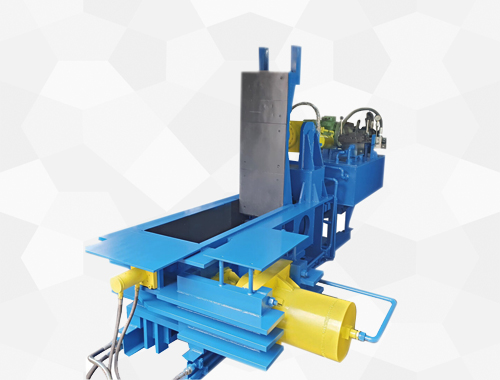
Hydraulic Baler
Explore balers →About Desire Hydraulics
Top Leading Hydraulic Press Manufacturers And Engineering Hydraulic Solutions in Pune, Maharashtra.
Desire Hydraulics is an experienced hydraulic equipment manufacturer, supplier and exporter based in Pune, Maharashtra. We bring over 20 years of manufacturing expertise to the design and production of reliable hydraulic machinery and industrial equipment.
Our product range includes hydraulic cylinders, hydraulic power packs, hydraulic presses, hydraulic baling machines and customized hydraulic systems for diverse industrial applications. We combine practical manufacturing experience with quality-focused engineering to deliver durable, efficient and application-specific hydraulic solutions to customers across Pune, Maharashtra and India.
Whether you need standard hydraulic equipment or a custom-built hydraulic machine, Desire Hydraulics provides dependable solutions designed around your application and performance requirements.
Know Our Company →20+Years of Experience
2011Established in Pune
Pan-IndiaCustomer Reach
CustomBuilt to Application
Specialized Machine Solutions
Alongside our core hydraulic range, we supply specialized machines for forming, casting and production operations.
Gravity Die Casting (GDC) Machines
Die Spotting Press Machines
Trimming Presses
Hot Presses
Scrap Baling Press Machines
Hydraulic Special Purpose Machines
FRP Molding Machine
Dish End Press Machine
Rubber Molding Machine
Hydraulic Machines: Working, Applications & Manufacturing in Pune
A complete guide to how hydraulic machinery works, where it is used, and how Desire Hydraulics manufactures hydraulic equipment in Bhosari, Pune.
Hydraulic machines are widely used across modern industries where high force, controlled movement and dependable performance are required. From automobile and engineering companies to fabrication units, recycling plants, construction equipment manufacturers and industrial production facilities, hydraulic systems play an important role in many manufacturing processes.
A hydraulic machine uses pressurized hydraulic fluid to generate mechanical force and movement. This allows machines to perform operations such as pressing, lifting, bending, compacting, clamping, forming and material handling with considerable force and accuracy.
For industries looking for reliable hydraulic machines in Pune and Maharashtra, understanding how hydraulic equipment works and selecting the right hydraulic machine manufacturer is important. The machine needs to be designed according to the application, required force, operating pressure, production requirements and working environment.
Desire Hydraulics, based in Bhosari, Pune, manufactures and supplies hydraulic equipment and customized industrial hydraulic machinery for a range of applications.
What Is a Hydraulic Machine?
A hydraulic machine is a mechanical system that uses pressurized hydraulic oil to transmit power and produce controlled movement.
The basic operating principle is based on Pascal's Law, according to which pressure applied to a confined fluid is transmitted throughout the fluid.
In a hydraulic machine, an electric motor generally drives a hydraulic pump. The pump draws hydraulic oil from a reservoir and sends it through the hydraulic circuit under pressure. Control valves regulate the direction, pressure and flow of the oil.
The pressurized oil then enters a hydraulic cylinder or hydraulic motor. In the case of a hydraulic cylinder, the pressure acts against the piston and produces linear movement. This movement can then be used to perform a particular industrial operation.
For example, a hydraulic press may use one or more hydraulic cylinders to generate several tonnes of pressing force. A hydraulic baling machine can use the same basic hydraulic principle to compress recyclable material into compact bales.
The application may change, but the fundamental principle remains the same: hydraulic energy is converted into controlled mechanical force.
How Does a Hydraulic Machine Work?
The working of a typical hydraulic machine can be understood through a simple sequence:
Electric motor → Hydraulic pump → Pressurized oil → Control valves → Hydraulic cylinder → Mechanical movement
The electric motor supplies mechanical power to the hydraulic pump. The pump draws oil from the hydraulic reservoir and circulates it through the system. Depending on the hydraulic circuit, the pump may supply oil at a specific pressure and flow rate required by the application.
Control valves determine where the hydraulic oil goes. When a directional control valve is activated, pressurized oil is directed towards the appropriate side of the hydraulic cylinder. This causes the piston and piston rod to move. The movement of the cylinder is then transferred to the machine's working mechanism.
Depending on the design, this movement can be used for:
- Pressing
- Bending
- Forming
- Lifting
- Clamping
- Compacting
- Cutting
- Straightening
- Material handling
- Industrial assembly
Once the operation is completed, hydraulic oil returns through the circuit to the reservoir and the cycle can be repeated. The ability to control pressure, flow and direction makes hydraulic systems particularly useful for industrial machinery.
Main Components of Hydraulic Machinery
A hydraulic machine consists of several components that work together to produce controlled force and movement.
Hydraulic Power Pack
A hydraulic power pack or hydraulic power unit provides the hydraulic energy required by the machine. It commonly consists of:
- Hydraulic oil tank
- Electric motor
- Hydraulic pump
- Pressure relief valve
- Directional control valves
- Flow control valves
- Filters
- Pressure gauge
- Hydraulic piping and fittings
The specification of a power pack depends on the machine's pressure, flow and operating requirements. For customized industrial applications, the hydraulic power pack can be designed according to the cylinder size, cycle time and required operating pressure.
Hydraulic Pump
The hydraulic pump circulates hydraulic oil through the system. Different types of hydraulic pumps can be used depending on the application, including gear pumps, vane pumps and piston pumps. Pump selection depends on factors such as required flow rate, operating pressure, duty cycle and application requirements. Choosing an unsuitable pump can affect machine performance, efficiency and component life.
Hydraulic Cylinder
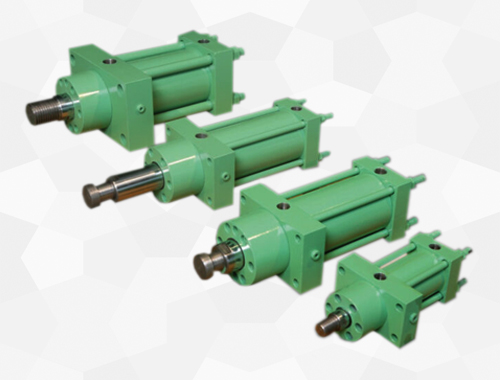
A hydraulic cylinder converts hydraulic energy into linear mechanical movement. It generally consists of a cylinder barrel, piston, piston rod, seals and other components. Hydraulic cylinders are used extensively in presses, lifting systems, industrial machinery, material handling equipment and customized hydraulic machines. The cylinder needs to be designed according to the required force, stroke, pressure and mounting arrangement.
Hydraulic Valves
Hydraulic valves control the movement and pressure of hydraulic fluid. Directional control valves determine the direction of cylinder movement. Pressure control valves regulate system pressure, while flow control valves can be used to control actuator speed. Proper valve selection is essential for achieving predictable machine performance.
Hydraulic Reservoir
The hydraulic reservoir stores the hydraulic oil and forms an important part of the hydraulic system. It also allows the oil to cool and helps separate air and certain contaminants from the fluid. Reservoir capacity should be appropriate for the hydraulic system and its operating conditions.
Hydraulic Filters, Pipes and Hoses
Hydraulic filters help remove contaminants from the oil. Clean hydraulic oil is essential because contamination can damage pumps, valves, cylinders and seals. Hydraulic hoses, pipes and fittings transport the oil between the different components of the machine. These components must be selected according to operating pressure, temperature and application requirements.
Types of Hydraulic Machines
Hydraulic technology can be used in many different types of industrial machinery. Some commonly used hydraulic machines include:
- Hydraulic presses
- Hydraulic power packs
- Hydraulic cylinders
- Hydraulic baling machines
- Hydraulic compactors
- Hydraulic lifting equipment
- Hydraulic bending machines
- Hydraulic punching machines
- Hydraulic forming machines
- Customized hydraulic machinery
The correct machine depends on the particular industrial process.
Hydraulic Presses
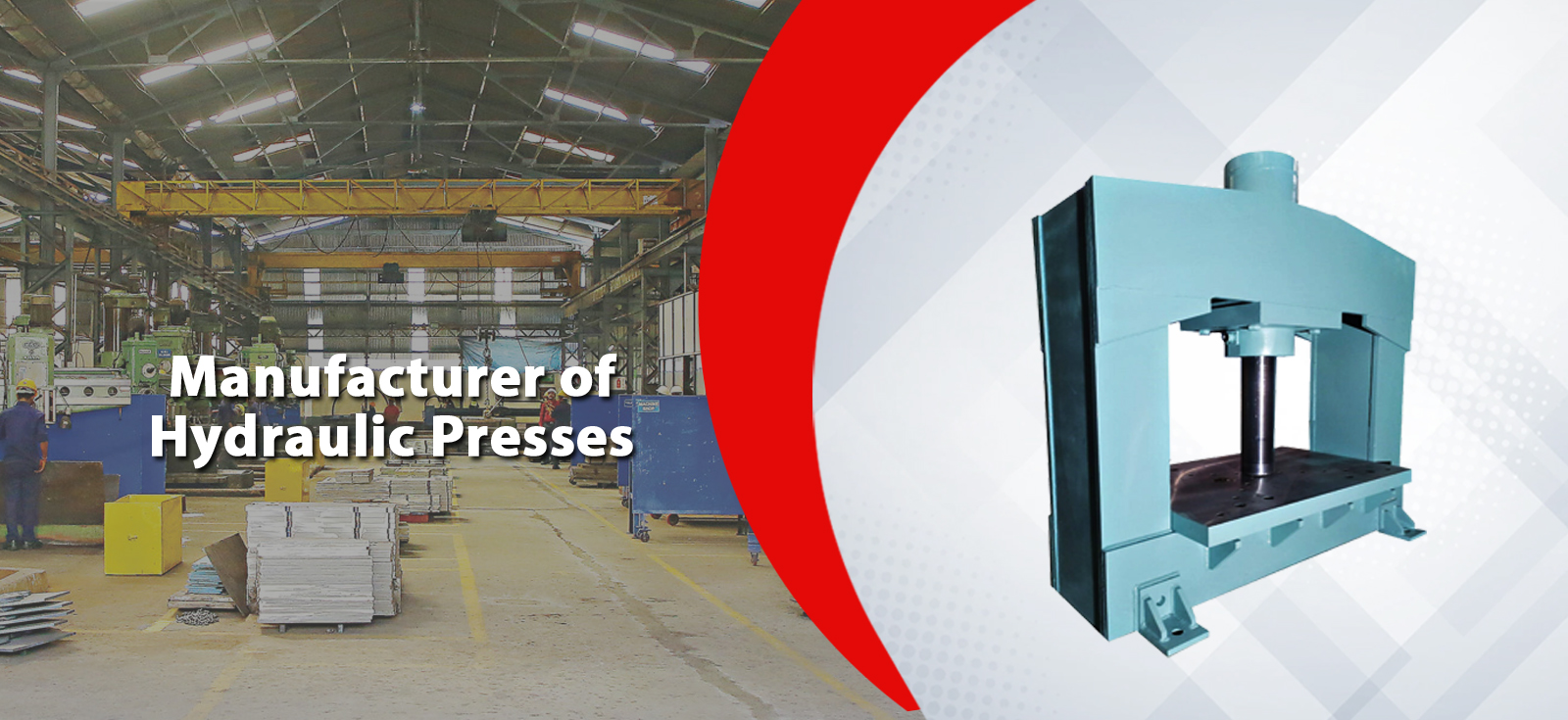
A hydraulic press uses hydraulic pressure to generate a controlled pressing force. Hydraulic presses are used in manufacturing and engineering applications including metal forming, sheet metal operations, component assembly, bending, straightening, punching, moulding, bearing pressing and automobile component manufacturing.
Hydraulic presses can be manufactured with different capacities, table dimensions, stroke lengths and control systems. Depending on the application, manufacturers may develop four-column, C-frame, H-frame or customized hydraulic press designs. The major advantage of a hydraulic press is its ability to generate high force while maintaining controlled movement throughout the pressing operation.
Hydraulic Cylinders
Hydraulic cylinders are fundamental components of hydraulic equipment. They are particularly suitable for applications requiring high linear force. A cylinder can be used to push, pull, lift, clamp or position a load.
Industrial hydraulic cylinders can be manufactured according to specific requirements, including bore diameter, stroke length, working pressure, mounting arrangement, rod diameter, material, seal configuration and operating environment. Quality machining and proper sealing are particularly important when manufacturing hydraulic cylinders because cylinders may operate under high pressure and repeated cycles.
Hydraulic Power Packs
Hydraulic power packs are used to supply pressurized hydraulic oil to cylinders, hydraulic motors and other actuators. A power pack can be a standalone unit or an integrated part of a larger industrial machine. For example, a customized power pack may be designed specifically for a hydraulic press, lifting system, material handling equipment or industrial automation application. The motor rating, pump capacity, reservoir size, valve arrangement and operating pressure should all be selected according to the machine's requirements.
Hydraulic Baling Machines
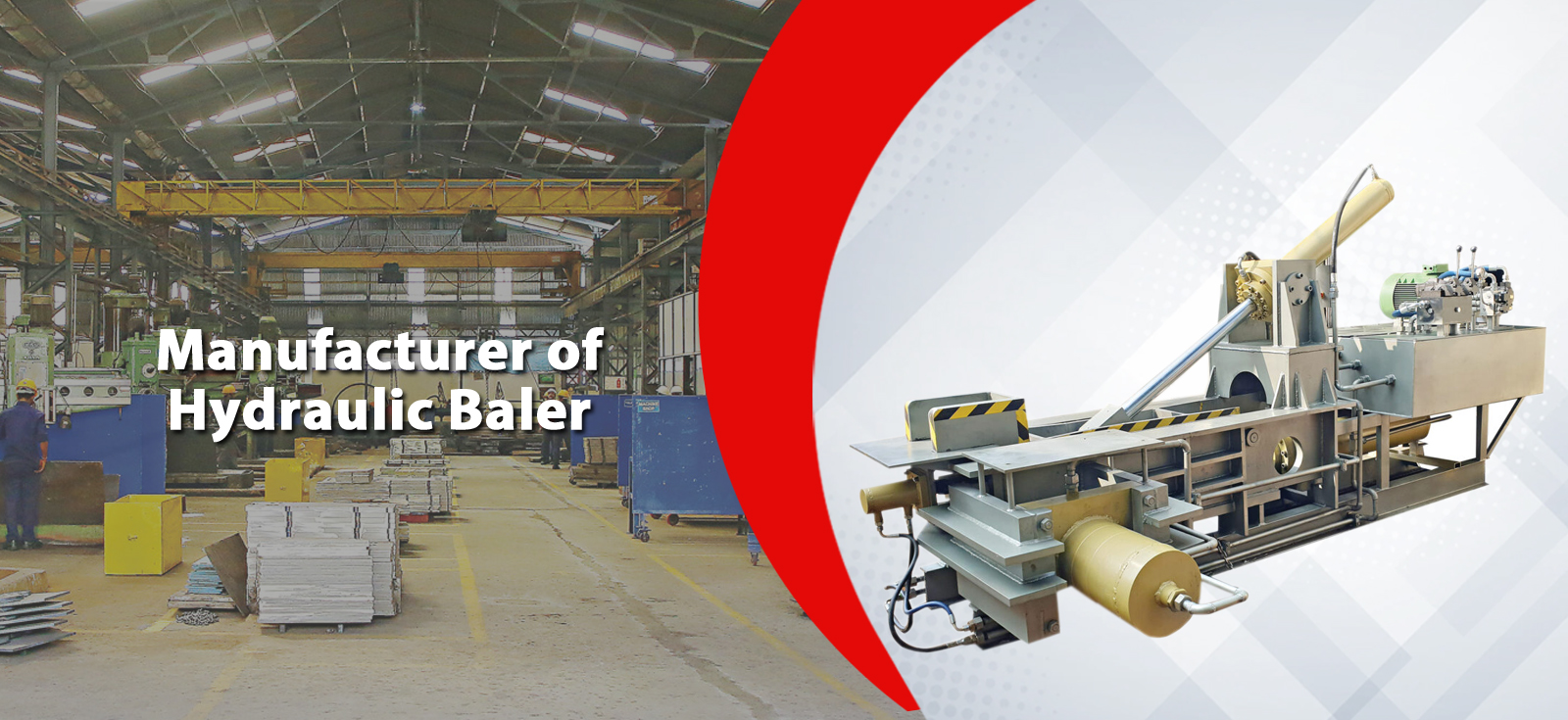
Hydraulic baling machines are commonly used for material compaction and recycling applications. They use hydraulic force to compress materials into compact bales. Depending on the application, baling equipment may be used for materials such as paper, cardboard, plastic, textile waste, industrial scrap and recyclable materials. Compacting these materials can reduce storage volume and make transportation and handling easier. Hydraulic balers are therefore useful in recycling plants, manufacturing facilities, warehouses and waste-management operations.
Where Are Hydraulic Machines Used?
Hydraulic machinery is used in many industries because of its ability to produce high force and controlled movement.
Automobile Industry
The automobile and auto-component manufacturing sector is a major user of hydraulic equipment. Hydraulic presses and other hydraulic machines can be used for component forming, bearing assembly, bending, pressing and various manufacturing operations. Automotive production often requires repeatable force and controlled movement, making hydraulic systems suitable for numerous applications.
Engineering and Manufacturing
General engineering and manufacturing companies use hydraulic machines for fabrication, forming, assembly and material handling. Hydraulic presses are particularly useful when large amounts of force are required to manufacture or process components.
Metal Fabrication
Fabrication companies may use hydraulic machinery for bending, pressing, punching, forming and straightening metal components. Machine capacity and tooling can be selected according to the dimensions and material being processed.
Recycling and Waste Management
Hydraulic baling and compaction machines are used to reduce the volume of recyclable and industrial waste. These machines can make storage and transportation more efficient.
Construction Equipment
Hydraulic systems are widely used in construction machinery. Excavators, loaders, lifting equipment and other heavy machines use hydraulic power to operate attachments and perform high-force movements.
Agricultural Machinery
Agricultural equipment also uses hydraulic systems for lifting, positioning and controlling implements. Hydraulic technology allows operators to control heavy attachments without relying exclusively on mechanical linkages.
Heavy Engineering
Heavy engineering applications frequently require customized hydraulic machinery. Such applications may involve large forces, unusual component dimensions, specialized tooling or specific production cycles. This is where working with an experienced hydraulic machine manufacturer becomes particularly important.
Hydraulic Machine Manufacturing
Manufacturing reliable hydraulic machinery involves much more than assembling a pump, cylinder and valves. A properly engineered machine starts with understanding the customer's application. The manufacturer needs to consider:
- Required hydraulic force
- Working pressure
- Cylinder stroke
- Production cycle
- Material being processed
- Machine dimensions
- Available floor space
- Required speed
- Automation level
- Safety requirements
- Expected operating conditions
Once these requirements are established, engineers can develop the hydraulic circuit and mechanical design.
Hydraulic Machine Design
Machine design determines how the hydraulic and mechanical components will work together. The hydraulic circuit establishes the relationship between the pump, valves, cylinders and other components. At the same time, the machine frame and structural components must be designed to withstand the forces generated during operation. Proper design is particularly important for high-capacity hydraulic machinery because structural rigidity and hydraulic performance directly affect machine reliability.
Fabrication and Machining
After the design is finalized, manufacturing begins. Depending on the machine, manufacturing may include cutting, welding, turning, milling, drilling, grinding, surface finishing and component assembly. Hydraulic cylinders require precision machining, particularly around piston, rod and sealing surfaces. Machine frames also need accurate fabrication and alignment to ensure smooth operation.
Hydraulic Assembly
During assembly, the hydraulic pump, valves, cylinders, hoses, pipes, fittings and other components are installed according to the hydraulic circuit. Correct routing of hydraulic lines is important for safe and reliable operation. Connections should be properly secured and inspected for possible leakage. Electrical controls, sensors and safety systems may also be integrated depending on the machine design.
Testing and Quality Control
Testing is an important stage of hydraulic machine manufacturing. Before a machine is delivered, it should be checked for proper operation. Depending on the machine, testing may include hydraulic pressure testing, cylinder movement testing, leakage inspection, electrical testing, safety-system testing, functional testing and cycle testing. For customized machinery, testing should also confirm that the machine meets the specific operating requirements agreed upon with the customer.
Why Choose a Hydraulic Machine Manufacturer in Pune?
Pune is one of Maharashtra's important industrial and engineering centers, with major manufacturing activity across areas such as Bhosari, Pimpri-Chinchwad, Chakan and surrounding industrial zones. The region has a strong presence of automobile, engineering, fabrication, manufacturing and industrial companies.
For businesses operating in Pune and Maharashtra, working with a local hydraulic machine manufacturer in Pune can offer practical advantages. Local manufacturing can make communication, machine customization, technical discussions, inspection and after-sales support easier.
However, location alone should not determine the choice of manufacturer. A hydraulic machinery manufacturer should also have the engineering knowledge, manufacturing capabilities and technical understanding required for the customer's application.
Desire Hydraulics – Hydraulic Machine Manufacturer in Pune
Desire Hydraulics is based in Bhosari, Pune, Maharashtra, and serves industrial customers requiring hydraulic equipment and customized hydraulic machinery. With more than two decades of manufacturing experience, the company works on hydraulic solutions designed for industrial applications.
Its product and equipment range includes hydraulic cylinders, hydraulic power packs, hydraulic presses, baling machines and customized hydraulic machinery.
For customers looking for a hydraulic machine manufacturer in Pune, the important consideration is not simply purchasing a machine with a particular capacity. The machine should be properly matched to the application, production process and expected operating conditions.
At Desire Hydraulics, the objective is to develop practical hydraulic solutions based on the customer's requirements, whether the requirement involves a hydraulic cylinder, power pack, press, baling machine or customized industrial hydraulic equipment.
How to Select the Right Hydraulic Machine
Before purchasing hydraulic machinery, businesses should evaluate several factors.
1. Determine the Required Force
The required force is one of the first specifications to establish. For hydraulic presses and cylinders, the required force determines important design parameters such as cylinder size and operating pressure.
2. Consider the Required Stroke
The cylinder stroke should be suitable for the actual movement required by the application. An unnecessarily long or short stroke can affect machine efficiency and design.
3. Check Operating Pressure
The hydraulic system should operate within the appropriate pressure range for its components. Pump, valves, cylinders, hoses and fittings should all be selected accordingly.
4. Consider Production Requirements
A machine used for occasional operations may have different requirements from equipment operating continuously in a production line. Cycle time, operating speed and duty cycle should therefore be considered during machine selection.
5. Look at Maintenance Requirements
Easy access to filters, valves, hoses and other serviceable components can make maintenance easier. Good hydraulic oil management and preventive maintenance can also help extend machine life.
6. Consider Customization
If a standard machine does not meet the application requirements, a customized hydraulic machine may be a better solution. Customization can involve machine dimensions, cylinder capacity, hydraulic circuit, controls, tooling, automation and other parameters.
Maintenance of Hydraulic Machines
Even a well-designed hydraulic machine requires regular maintenance. Hydraulic oil should be checked periodically and replaced or filtered according to operating conditions and manufacturer recommendations. Filters should be inspected, while hoses, fittings and seals should be checked for signs of leakage or damage.
Unusual noise, slow cylinder movement, overheating, pressure loss or inconsistent machine performance can indicate a hydraulic problem that should be investigated. Preventive maintenance is generally preferable to waiting for a major breakdown. Regular inspection can help reduce downtime and maintain consistent machine performance.
Hydraulic machines provide an efficient way to generate and control high mechanical forces, making them essential across manufacturing, automobile, engineering, fabrication, recycling, construction and other industrial sectors. From hydraulic presses and hydraulic cylinders to hydraulic power packs, baling machines and customized industrial hydraulic machinery, these systems can be designed for a wide range of applications.
The performance of a hydraulic machine depends on several factors, including hydraulic circuit design, component selection, structural strength, manufacturing accuracy, assembly quality and testing. For businesses searching for a hydraulic machine manufacturer in Pune or Maharashtra, it is important to select a manufacturer that understands the actual industrial application rather than simply supplying standard equipment.
With its location in Bhosari, Pune, and experience in hydraulic equipment manufacturing, Desire Hydraulics provides hydraulic solutions for industrial applications, including hydraulic cylinders, power packs, presses, baling machines and customized machinery. The right hydraulic machine is ultimately one that is engineered around the application, manufactured with appropriate components and designed to deliver dependable performance throughout its working life.
Reliable equipment. Responsive support.
Talk to our team about hydraulic cylinders, press machines, GDC and die-casting equipment, power packs, balers or a custom application.