Desire Hydraulics is a Hydraulic Baler Manufacturer designing and building Vertical Hydraulic Balers, Horizontal Hydraulic Balers, Single-Ram Hydraulic Balers, Double-Ram Hydraulic Balers, Scrap Metal Baling Machines, Cardboard & Paper Baling Machines, Plastic & Film Baling Machines and Special Customized Hydraulic Balers in-house at MIDC Bhosari, Pune — sized to your material type, chamber dimensions, bale density and cycle speed, and tested before dispatch to scrap dealers, recyclers and manufacturers across Pune, Nashik, Aurangabad, Gujarat, Bangalore, Kerala, Maharashtra, India and the UAE.
Actual baling press machines engineered at our MIDC Bhosari facility, along with sample bales produced on them — click any photo to view it larger.
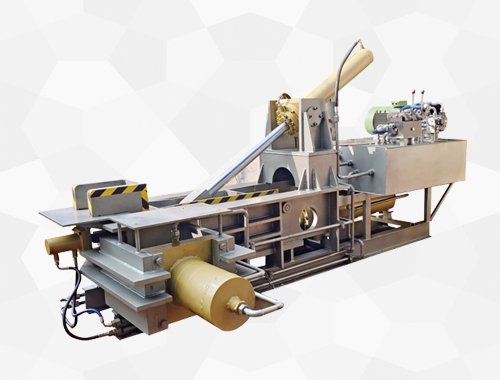
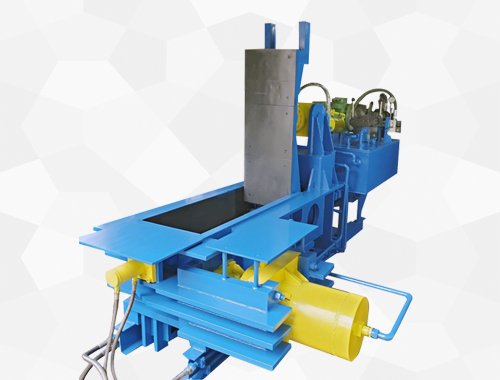
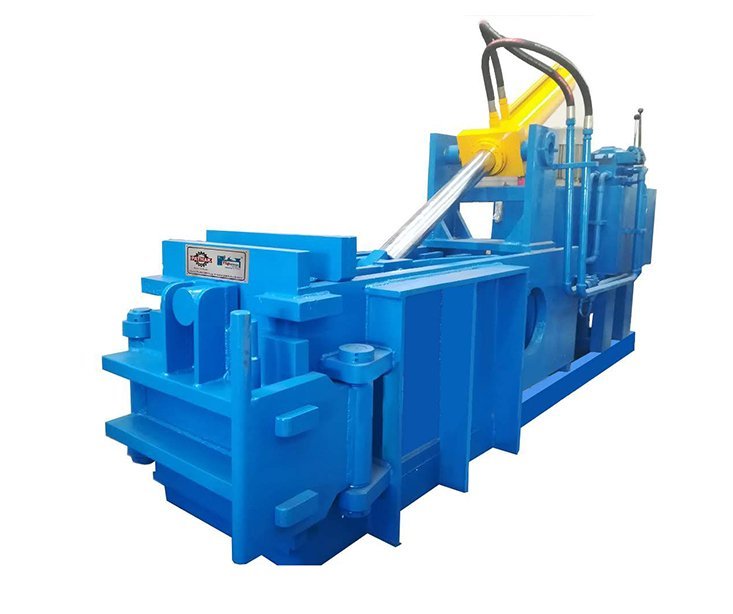
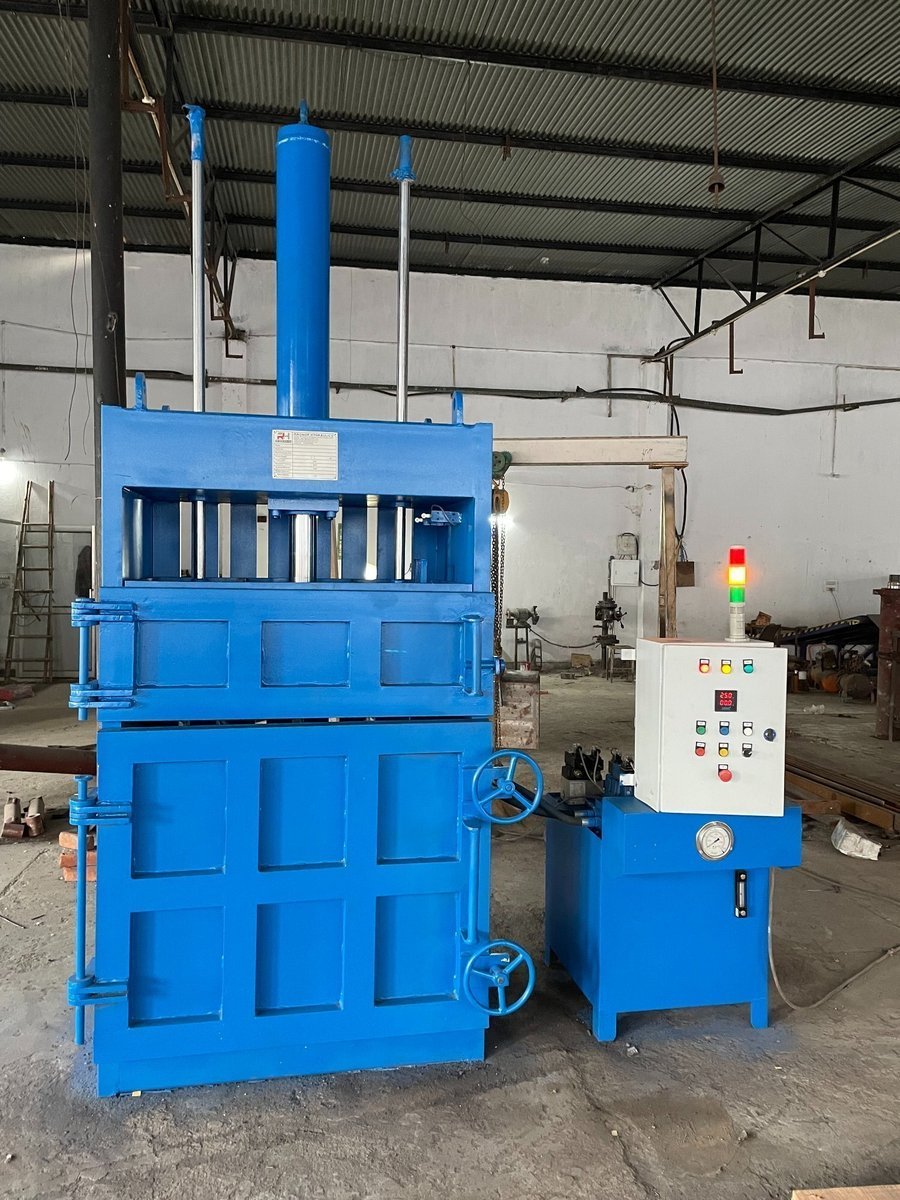
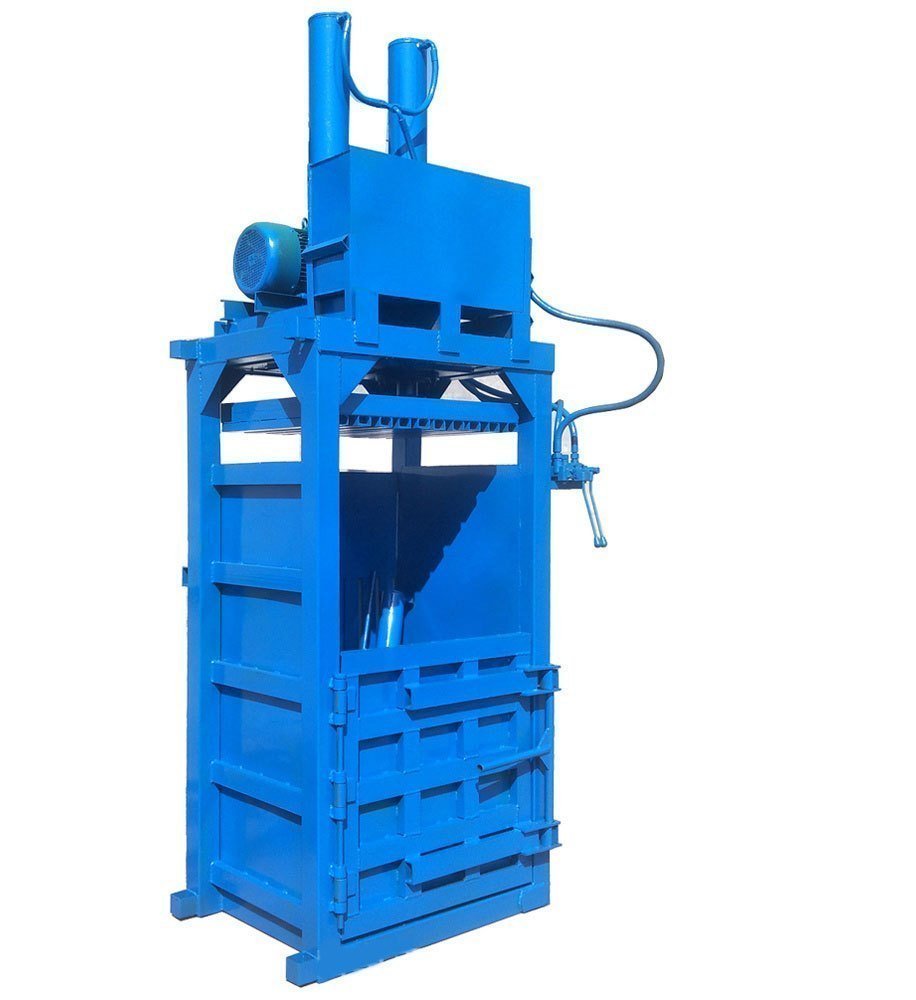
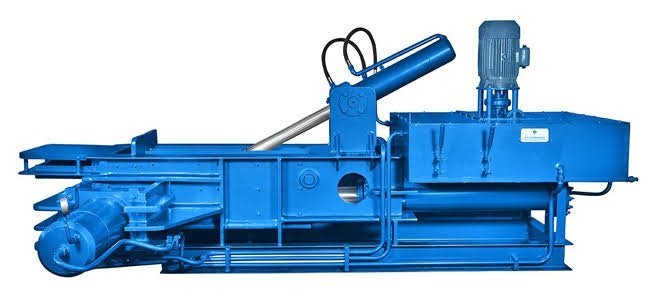
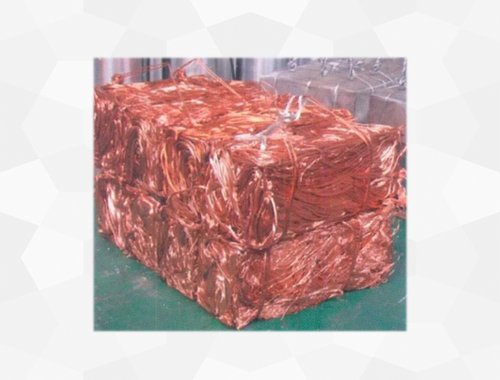
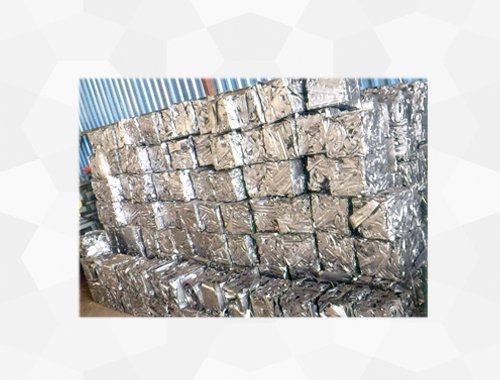
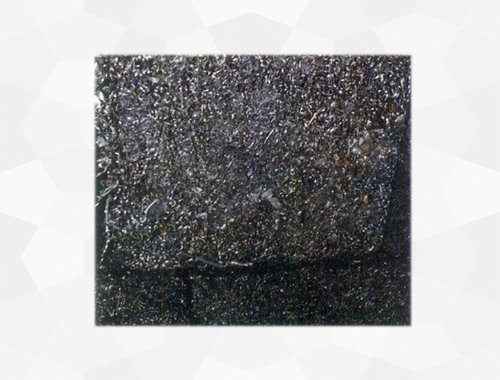
A Hydraulic Baler uses pressurized Hydraulic fluid to drive a ram through a compaction chamber, compressing loose scrap metal, cardboard, plastic, textile or other recyclable material into dense, uniform bales that are easier to store, handle, transport and sell. Desire Hydraulics manufactures Hydraulic Balers in-house at MIDC Bhosari, Pune, Maharashtra, for scrap dealers, recycling units, steel re-rolling mills, warehouses and manufacturers generating continuous waste on the shop floor.
The right Hydraulic Baler depends on the material being compacted, required bale size and density, daily waste volume, cycle speed and the level of automation needed. Because the chamber, ram, Hydraulic cylinder, power pack and controls are all built on our own floor, we can configure a Vertical Hydraulic Baler, Horizontal Hydraulic Baler, Single-Ram Hydraulic Baler, Double-Ram Hydraulic Baler or a Special Customized Hydraulic Baler around your actual waste stream rather than fitting your material to a fixed chamber size.
Frames, cylinders, power packs and control panels are fabricated, assembled and tested at MIDC Bhosari before a machine is cleared for dispatch — the same in-house approach behind the 5,000+ Hydraulic machines we've delivered to customers across Pune, Nashik, Aurangabad, Gujarat, Bangalore, Kerala, Maharashtra, India and the UAE.
A Hydraulic Baler is an industrial press that uses Hydraulic pressure to compress loose waste and recyclable material into compact, uniform bales. The fundamental principle is based on transmitting force through pressurized fluid: a Hydraulic pump supplies fluid to the Hydraulic circuit, and control valves direct the fluid toward the Hydraulic cylinder, where pressure acting on the piston drives the ram through the baling chamber, compressing the loaded material.
A simple way to understand the system is the flow of force through it — from the Hydraulic pump, through pressurized fluid and a control valve, into the Hydraulic cylinder, and on to the ram that compresses material inside the chamber. The machine can be designed to control ram force, dwell time and cycle speed according to the material, making Hydraulic Baler technology suitable for operations that need to reduce waste volume and produce a sellable, transportable bale.
The working cycle of a Hydraulic Baler can vary according to its design, but the basic process consists of the following stages.
Material is loaded into the baling chamber manually, via conveyor, or through a hopper, depending on the level of automation.
An electric motor drives the Hydraulic pump, which draws Hydraulic oil from the reservoir and supplies pressurized fluid to the circuit.
Hydraulic fluid enters the cylinder, driving the ram forward through the chamber under controlled pressure to compact the loaded material.
On many balers, the ram holds pressure briefly so the bale sets to a consistent density rather than springing back once released.
The ram retracts, the chamber door or gate opens, and further loads are compressed until the chamber is full — most bales are built over several cycles.
The finished bale is ejected and wire or strap is run through pre-cut slots to hold its compressed shape for handling and transport.
A Hydraulic Baler is more than a chamber and a ram — its performance depends on the interaction of the compaction chamber, Hydraulic power unit, controls and structural frame. The exact configuration depends on the machine type and the material being baled.
The Hydraulic power unit generally includes the pump, motor, reservoir, valves and filters required to generate and control Hydraulic power, while the chamber, ram and frame must be sized to the intended material, bale density and throughput.
Standard on every unit, and adjusted to your material and volume before fabrication begins.
Hydraulic cylinders sized to the material being baled, with controlled compression across the full cycle.
Chamber dimensions and bale size built to your waste stream, not a fixed catalogue size.
Door/gate interlocks, two-hand operation and emergency-stop arrangements suited to the machine design.
Straightforward electricals for cycle control — PLC-based automation and cycle counters on request.
Frame and chamber built for daily compaction cycles, not occasional light use.
Every Hydraulic cylinder and power pack is run and checked under load before it leaves our floor.
Every machine is engineered to the material and volume rather than sold on size alone — these ranges reflect what we commonly build; exact figures are confirmed against your waste stream.
| Machine type | Vertical Hydraulic Baler, Horizontal Hydraulic Baler, Single-Ram Hydraulic Baler, Double-Ram Hydraulic Baler or Customized Hydraulic Baler |
|---|---|
| Ram force | Custom-built to material and required bale density, as per requirement |
| Chamber size | Sized to your material type and target bale dimensions |
| Hydraulic pressure | Typically 150–250 bar, matched to ram force and material |
| Cycle time | Sized to your daily waste volume and throughput requirement |
| Control | Panel-mounted controls; PLC-based, semi-automatic or fully automated control available on request |
| Construction | Fabricated steel frame and chamber, in-house machining and assembly |
| Testing | Tested under load before dispatch |
Looking for an exact tonnage, chamber size or cycle time? Share your material type and daily waste volume and we'll size the machine against it.
Different waste streams and volumes require different baler configurations. The right configuration depends on material type, required bale density, daily volume, available floor space and level of automation.
Material is loaded from the top and compressed downward, needing less floor space than a horizontal configuration.
Material is fed from the side and compressed horizontally, usually with automatic or semi-automatic tying.
Compresses in one direction, suited to lighter, more uniform material.
Uses a second ram to eject finished bales and deliver denser, more consistent compaction.
Heavy-duty chamber and ram force built for ferrous and non-ferrous metal scrap.
Sized for high-volume OCC, cartons and paper waste common in warehouses and packaging units.
Configured for LDPE/HDPE film, PET bottles and mixed plastic waste.
Engineered around specific chamber size, feed height, material mix and automation when a standard configuration doesn't fit the operation.
Hydraulic Balers are used across scrap handling, recycling and manufacturing waste management. Applications depend on material type, daily volume and production requirements.
Compaction of ferrous and non-ferrous scrap metal into sellable bales.
Baling continuous metal scrap from stamping and fabrication lines.
High-volume cardboard and packaging waste compaction.
Recovery and sale of offcuts and structural scrap.
Baling cotton waste and rag cuttings.
Compacting end-of-life vehicle scrap under India's Vehicle Scrappage Policy.
Compaction of film, bottles and mixed plastic waste.
Reducing floor-space loss and recovering material value from daily waste.
Hydraulic Baler technology offers several potential advantages when the design is correctly matched to the material and volume.
Compacted, uniform bales sell more efficiently than loose scrap.
Loose waste piling up is converted into stackable, storable bales.
Denser bales mean fewer loads to move the same weight of material.
Ram force, dwell time and cycle speed can be tuned to the material.
Built for daily compaction cycles rather than occasional light use.
Chamber and controls can be sized to your material mix, with PLC automation available.
Choosing the right Hydraulic Baler should begin with your material and volume rather than the machine name.
Desire Hydraulics is based in Pune, Maharashtra, an important industrial and manufacturing region in India. Our Hydraulic Baler solutions are built for scrap dealers, recyclers and manufacturers in Pune and surrounding industrial areas, as well as customers across Maharashtra and other parts of India, and for international customers including the UAE.
Machine selection is based on your actual material, volume and bale requirement rather than a one-size-fits-all approach, whichever of these regions you're supplying from.
Chamber size, ram force and cycle time sized to your actual waste stream.
Frame fabrication, machining, assembly and testing all done at MIDC Bhosari.
Hydraulic cylinders and power packs are run under load before the machine ships.
Installation guidance and after-sales service across India and the UAE.
Common questions we hear from scrap dealers and recyclers evaluating a Hydraulic Baler.